If you return to find a compromised entry point after a break-in, breathe deeply and assess immediate risks. I will walk you through what a 24 hour locksmith Orlando does at night or on a weekend after a break-in, how costs break down, and which questions to ask on the scene. They come from real cases, common lock-failure patterns after forced entry, and the practical judgment calls that reduce risk and cost.
What to do first when you need a 24 hour locksmith Orlando
If forced entry is evident, prioritize people over property and remove everyone from the compromised area. Do not touch anything you suspect the intruder used or moved, since that can complicate police work and scene preservation. Notify police right away when you suspect theft or when the intruder's presence is uncertain.
After police complete the initial report or give the all-clear, look up a local emergency locksmith known for rapid response. Prefer locksmiths who can show credentials, provide clear pricing on the phone, and have positive recent reviews. Check if the locksmith can bring common replacement locks and strike plates so repairs can finish in one visit.
The quick damage check a locksmith will run
Technicians will assess the door, frame, and adjacent surfaces to determine whether repairs are limited to the lock or need carpentry help. Technicians look for split wood in the jamb, a mangled strike plate, or a door that no longer sits square in the frame. If the frame is badly damaged, the fix may require a carpenter or a more substantial reinforcement, not just a new cylinder.
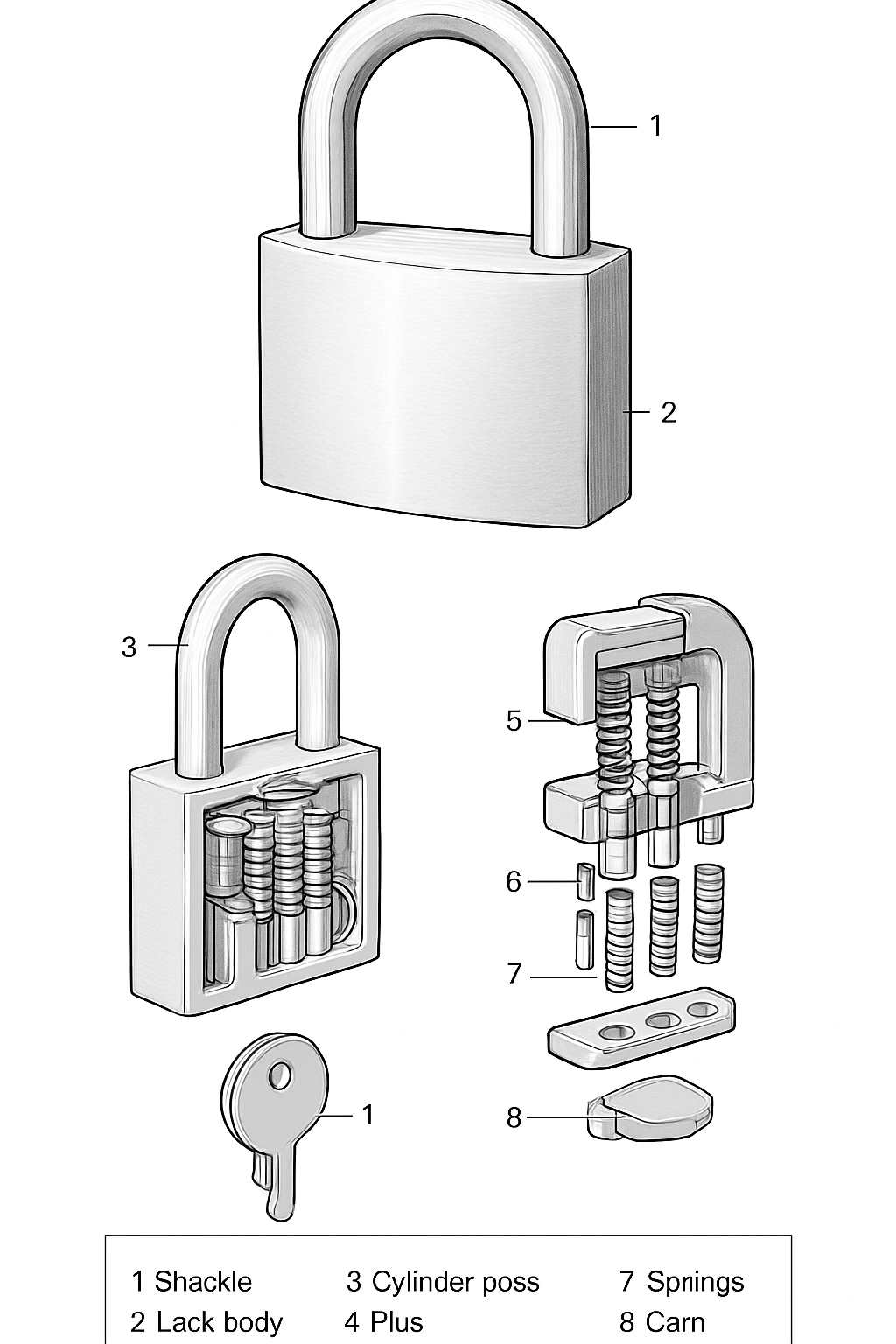
Next the locksmith determines whether the existing lock can be rekeyed, needs cylinder replacement, or must be swapped for a new unit. If the lock internals are intact and the concern is lost or copied keys, rekeying is an economical option. But if the cylinder is cracked, pins are sheared, or the bolt assembly is bent, the technician will recommend replacement.
How quickly an emergency locksmith can arrive and complete repairs
A typical emergency arrival window for an Orlando locksmith ranges from roughly 20 minutes to an hour, depending on conditions. If you call during a late-night surge or a holiday, expect the upper end of that range or a short wait for backup parts. A straightforward lock swap runs thirty to ninety minutes, but repairing or rebuilding a broken door frame can add many hours.
If the locksmith must order a specialty lock or an electronic module, you may face a next-day wait or a replacement with a https://digitallockrbob658.raidersfanteamshop.com/find-locksmith-orlando-near-me compatible model. To avoid surprises, ask on the phone whether the company stocks common deadbolts, keyed knobs, smart lock modules, and reinforced strike plates.
Understanding quotes for 24 hour locksmith service
Most invoices break out a dispatch fee, the cost of parts, and labor, with additional fees for after-hours or holiday work. Nighttime dispatch fees frequently land between $50 and $150, with higher values for longer travel distances or premium providers. Parts for a standard deadbolt or keyed cylinder are often $30 to $120, while smart locks or heavy commercial units start much higher.
Expect installation labor to fall roughly in the seventy-five to one hundred fifty dollar per hour band during emergency service calls. If structural carpentry is required to repair the jamb, the locksmith will typically subcontract or recommend a carpenter and provide an estimate. Ask the dispatcher to itemize the expected charges and any potential extras so you avoid surprises when the work finishes.
What paperwork and photos you should collect while the locksmith works
Take time-stamped photos of the damaged door, frame, lock, and any displaced items before repairs proceed, if the police allow it. Save the broken cylinder or damaged parts if the police request them as evidence, and ask the locksmith to keep removed components. Get the technician's full identification, the company name, and a detailed invoice listing parts and labor for your claim paperwork.
Insurers typically require a police report number, supporting photos, and a detailed invoice listing the work performed and parts used. Some policies include emergency boarding or temporary locks as covered expenses, so ask your agent or read the policy. Retain all relevant records until your insurer closes the claim to ensure you can answer follow-up questions.
When to pick a basic deadbolt versus a reinforced or smart solution
On a limited budget with little frame damage, installing a grade 1 or grade 2 deadbolt is often the fastest, most reliable option. When the door or jamb shows weakness, combine a heavy-duty deadbolt with jamb reinforcement plates to reduce the chance of easy forced entry. Consider smart locks if you plan to manage them properly, because they can be practical when installed and configured correctly.
A reliable upgrade path is a pick-resistant or drill-resistant cylinder combined with a heavy strike plate fastened with three-inch structural screws. This approach greatly raises the effort required to breach the door while keeping costs moderate compared to full-frame replacement. Insist on a brief live test and an explanation of how the upgrade improves security so you leave with confidence.
Behavioral and hardware steps to lower risk of a future break-in
Adding motion-activated exterior lights and keeping shrubs trimmed removes hiding spots and increases the chance someone will spot suspicious activity. Upgrade to a solid-core or reinforced door, fit a deadbolt with a three-inch throw, and use three-inch screws in hinges and strike plates to improve resistance. A conspicuous camera or a security system sticker and a visible camera are sometimes enough to stop a casual intruder who prefers low risk.
Rotate where you hide spare keys or eliminate hidden keys entirely and use a smart lock with temporary codes or a keypad instead. Tenants should work with landlords to ensure any repairs or upgrades comply with safety codes and do not violate lease terms. Periodically check that bolts operate smoothly and that screws remain tight, and call for a recheck if the lock feels loose or sloppy.
Choosing a trustworthy emergency locksmith under time pressure
Request the company and technician name and a van description at the time of booking, then check the ID and vehicle when the locksmith arrives. If the company hesitates to talk numbers or gives evasive answers about parts and call fees, treat that as a warning sign. Be wary of technicians who immediately push to destroy hardware instead of offering rekeying or cylinder swaps when feasible.
Check for an ID badge, a business card, and a printed invoice at job completion, and ask if the company carries liability insurance. If something feels off, call the police for advice or halt work until you can confirm the company online or by phone with a known number. Trust your instincts about safety, but balance urgency with verification so you minimize both delay and risk.
A short set of actions to follow after a forced entry, in order
Take photos and call the police if you have not yet done so, then seek a safe place until authorities advise otherwise. Contact a vetted 24 hour locksmith Orlando, ask about parts they carry, and request an estimated arrival time and cost breakdown. Make sure you receive ID and a detailed bill, preserve any broken hardware for evidence, and forward the police report and invoices to your insurer.
When deciding between temporary and permanent repairs, request a clear cost-benefit explanation and a hands-on demonstration from the technician. Your optimal choice will reflect finances, the likelihood of repeated attempts, and how fast you can arrange a frame or door rebuild. With pragmatic decisions, a nighttime locksmith call can secure your home immediately and reduce the chance of repeat violations.