If you are staring at an empty keyring in a parking lot in Orlando, this guide is written for that exact moment. These paragraphs collect lessons from real callouts, late-night roadside work, and quick decisions that saved people time and money. The piece focuses on what works, what costs roughly what, and how to avoid common rip-offs when you need a locksmith fast.
Quick assessment at the vehicle
Pause for a minute and note what kind of key you lost, where you are parked, and whether the car is locked or unlocked. Transponder keys usually require on-site programming equipment, while basic blades are cut quickly with a mobile cutter. Do not try to break windows or force locks unless you have budget and time for bodywork and possible electronics repair.
What makes emergency locksmiths special
Nighttime, weekends, and holiday calls usually carry a premium, and you should expect a higher but transparent fee. Most 24 hour locksmiths operate vans fitted with small key machines and transponder programmers so they can complete the job on site. Expect older vehicles to need a duplicated metal key and possibly a cylinder rekey, while newer vehicles may require key blank sourcing and electronic pairing.
Understanding key types and what they cost
Not all keys are equal, and identifying the key type is the single most useful thing you can do before a locksmith arrives. Simple metal keys often fall in the lower price band since they need only cutting and minor fitting, typically under one hundred dollars in most cases. Programming a transponder key often costs in the low to mid hundreds, depending on your car make and the locksmith's equipment. Proximity and remote fobs are at the top of the price tree because they combine mechanical cutting with encrypted programming and often need manufacturer-level blanks.
What a competent emergency locksmith will do on arrival
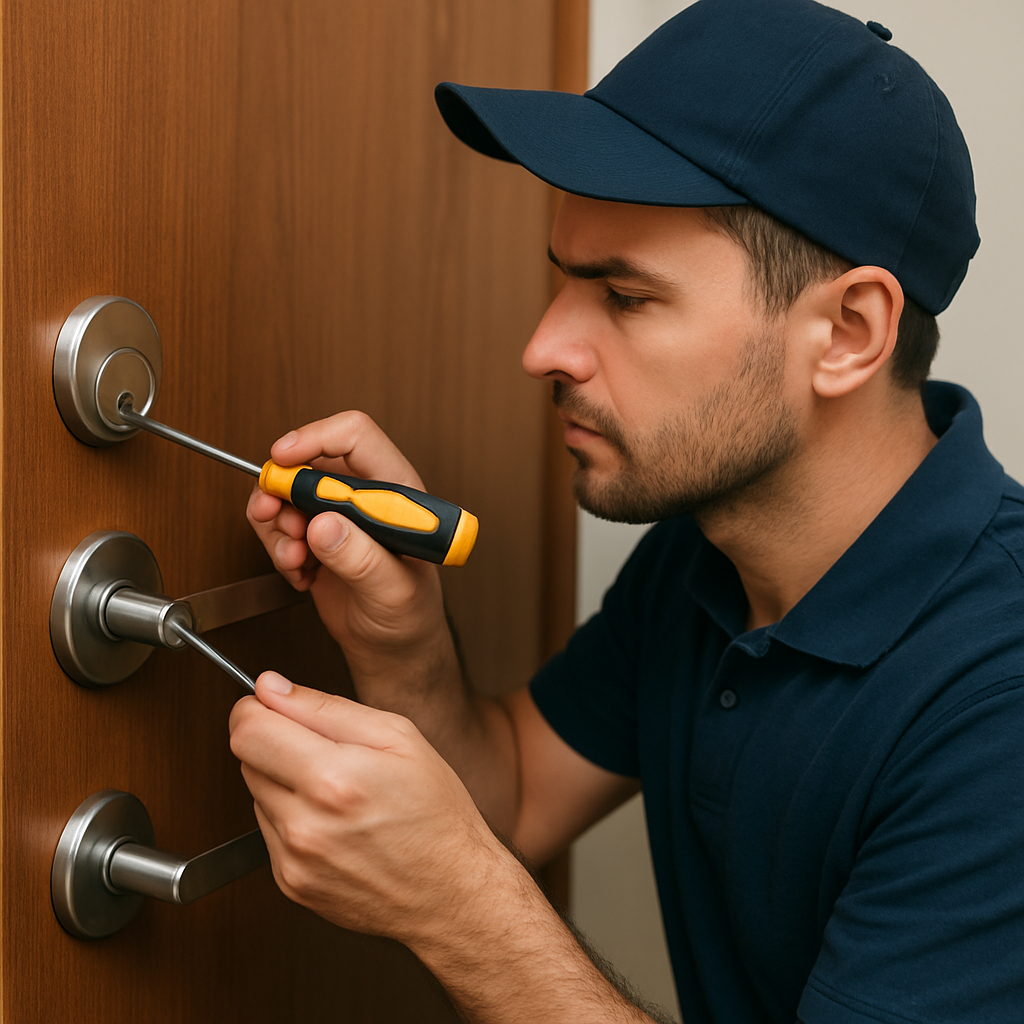
Expect the technician to confirm ownership or lawful possession before starting work, because reputable locksmiths follow ID rules to prevent abuse. Decoding often involves reading the lock cuts or the VIN, and the tech will use that information to select the right key blank and programming steps. Next comes cutting and, if needed, programming, and the tech will show you the new key working before they accept payment. If the lock cylinder is damaged, a competent pro will offer a rekey or cylinder replacement on site and explain the trade-offs.
Questions to ask on the phone
Start by asking whether the company has a local address and gives a clear mobile arrival window, because transparency is a reliability signal. Ask which equipment they carry and whether they can program your specific vehicle make and year, because not every locksmith supports every brand. Get a written estimate before work begins and insist on an itemized receipt showing parts, labor, and any callout fee, because transparency avoids disputes. If a provider resists giving a legal business name or a receipt, find another option and avoid the risk.
Realistic timeframes and cost drivers
Expect a short visit and a modest bill when the job is limited to blade cutting without electronics. Transponder key jobs usually take thirty minutes to one hour and often land in the one hundred to three hundred dollar range, depending on parts and programming complexity. Smart fobs and proximity key replacements can take one to several hours if parts must be sourced or if dealer protocols are involved, and costs can reach several hundred dollars. Most emergency locksmiths charge a flat arrival fee plus labor and parts, and transparent shops list these charges locksmith before work begins.
Avoiding scams and protecting yourself during the job
Refuse any demand for full cash up front beyond a reasonable deposit and insist on a receipt that names the business and technician, because that paperwork protects you later. Skepticism is appropriate when technician claims escalate to dealer-only needs without evidence. When possible, record the technician's license plate and take a photo of their ID, because that record helps if a dispute arises later.
Practical habits and inexpensive backups
A hidden spare in a locked container at a trusted friend or in your wallet rarely gets used, but when it is needed it prevents drama and expense. A duplicate blade key gives you options when fob batteries die or electronics malfunction. Small secrecy and occasional relocation of the spare add meaningful protection.
What to keep in your phone and glovebox right now
A digital copy is handy and universally accepted by good locksmiths for quick verification. Pre-screened contacts are the fastest route out of a roadside hold-up. Practical redundancy reduces stress when technology fails.
Decision points to resolve so your call is efficient
Clarifying whether the car needs a new key or simply an entry minimizes wasted trips and mismatched expectations. Confirm if you can https://locksmith-unit-orlando.tumblr.com/ show registration or proof of ownership at the scene, because technicians will ask and the answer affects whether they proceed immediately. Ask for an arrival window, a full price estimate including callout, and the technician's name, because those three things make service accountable and visible.
When you should accept a premium and when you should not
Cheapest is rarely the best choice for high-security electronics, and experience reduces the chance of repeat work or damage. Sometimes the extra arrival fee equals the value of having someone present and able to finish the job the same hour. A practical approach blends dealer usage only when necessary and skilled locksmiths for most urgent recoveries.
A real moment that explains what to expect
I once watched a van show up with the wrong equipment and leave the customer facing a tow, and then a properly equipped tech arrived and finished the job in twenty minutes. Real-world incidents like this show why the extra minute to ask the right questions is worth it. Practical choices before the call and clear verification once the tech arrives turn an emergency into a short story rather than an expensive ordeal.
A calm, informed approach reduces cost and stress, and the right technician finishes the job without drama.